Solo Medical Travel: Is It Safe to Recover Without a Companion?

Published by
Kosmos Consult2 min read
Recovering abroad without a companion may be possible, but it depends on the procedure, your mobility and the support you can arrange. Plan accommodation, daily help and emergency care before departure.
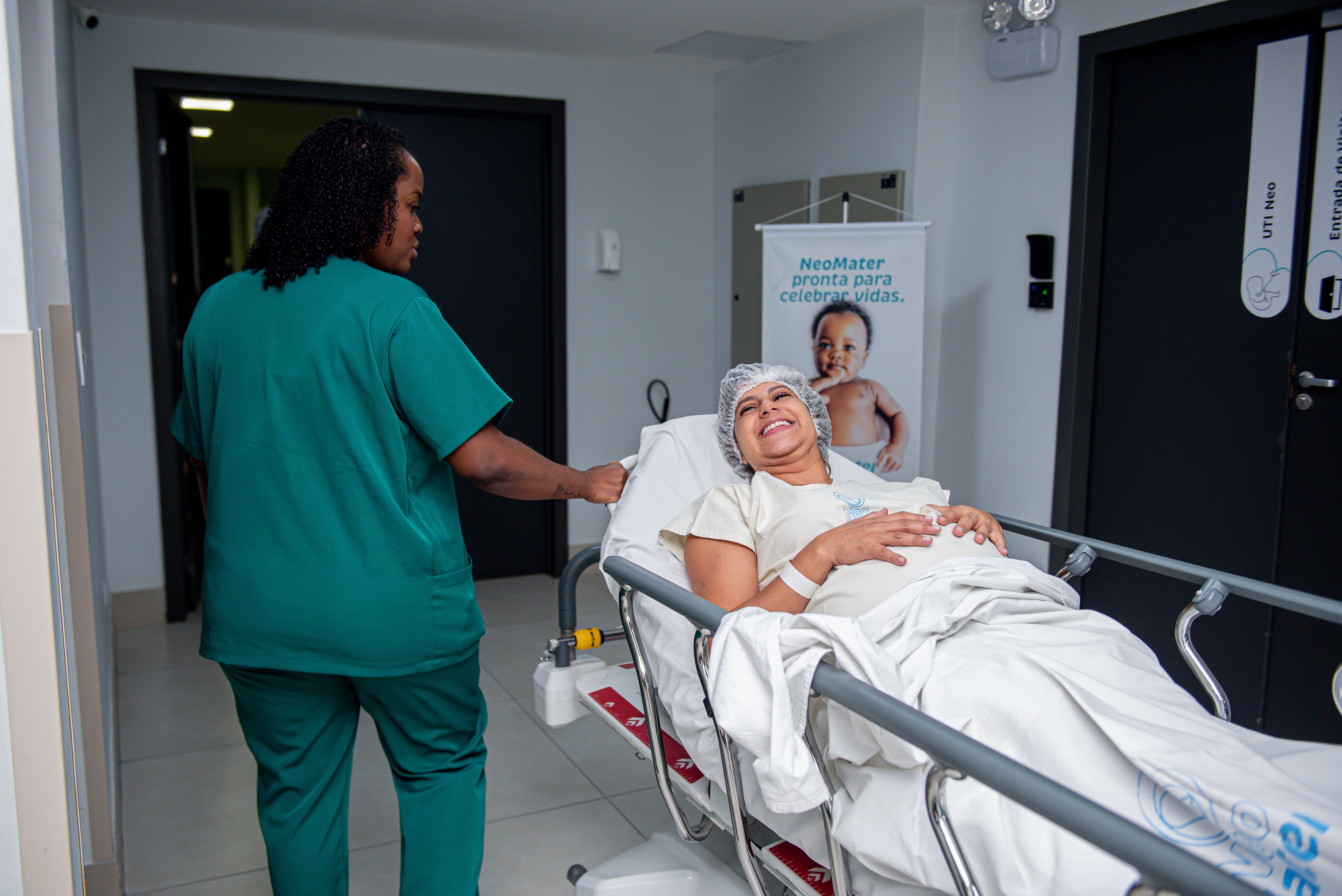
A nurse assisting a patient along a hospital corridor.
On this page
1. Start with your recovery needs
Travelling abroad for treatment alone is possible for some patients. But a hospital appointment and a hotel booking do not amount to a recovery plan.
Whether solo travel is suitable depends on the operation, your health, your mobility and the help available after discharge.
Ask the treating specialist what you are likely to manage after the procedure. Will you be able to walk, bathe, prepare food, take medicines and attend follow-up appointments without help?
A short diagnostic visit is very different from major surgery. If you are likely to need close observation or substantial assistance, travelling without a companion may not be appropriate.
2. Arrange practical help in advance
Before departure, establish who will collect you from the hospital, help with transport and assist with everyday tasks. Confirm whether a qualified nurse or caregiver is available if your clinical needs require one.
An accommodation aide may help with meals, shopping or errands. That person is not a substitute for a nurse or hospital care.
3. Choose suitable accommodation
Check the distance to the hospital, access to lifts, bathroom layout, bed height and availability of transport. If you may need help during the night, know exactly whom to contact and how quickly assistance can arrive.
Do not assume that an ordinary hotel room will suit someone with restricted movement.
4. Have an emergency plan
Keep the hospital's contact details, discharge instructions, medication list and emergency numbers close by. Know where to seek urgent help if you develop warning signs identified by your treating team.
Ask the hospital whether a responsible adult is required for discharge or transport after your particular procedure or anaesthesia. Confirm this before you book.
Solo medical travel is not automatically unsafe. Travelling without reliable support is the part that can make recovery difficult. If the care you need cannot be arranged, reconsider going alone.