The Medical Tourist’s Packing Checklist: 12 Bedside Essentials You Can't Buy at the Hotel

Published by
Kosmos Consult2 min read
Pack for treatment and recovery, not a holiday. These 12 practical items help keep your documents, medicines, communication tools and bedside necessities within reach during a medical trip.
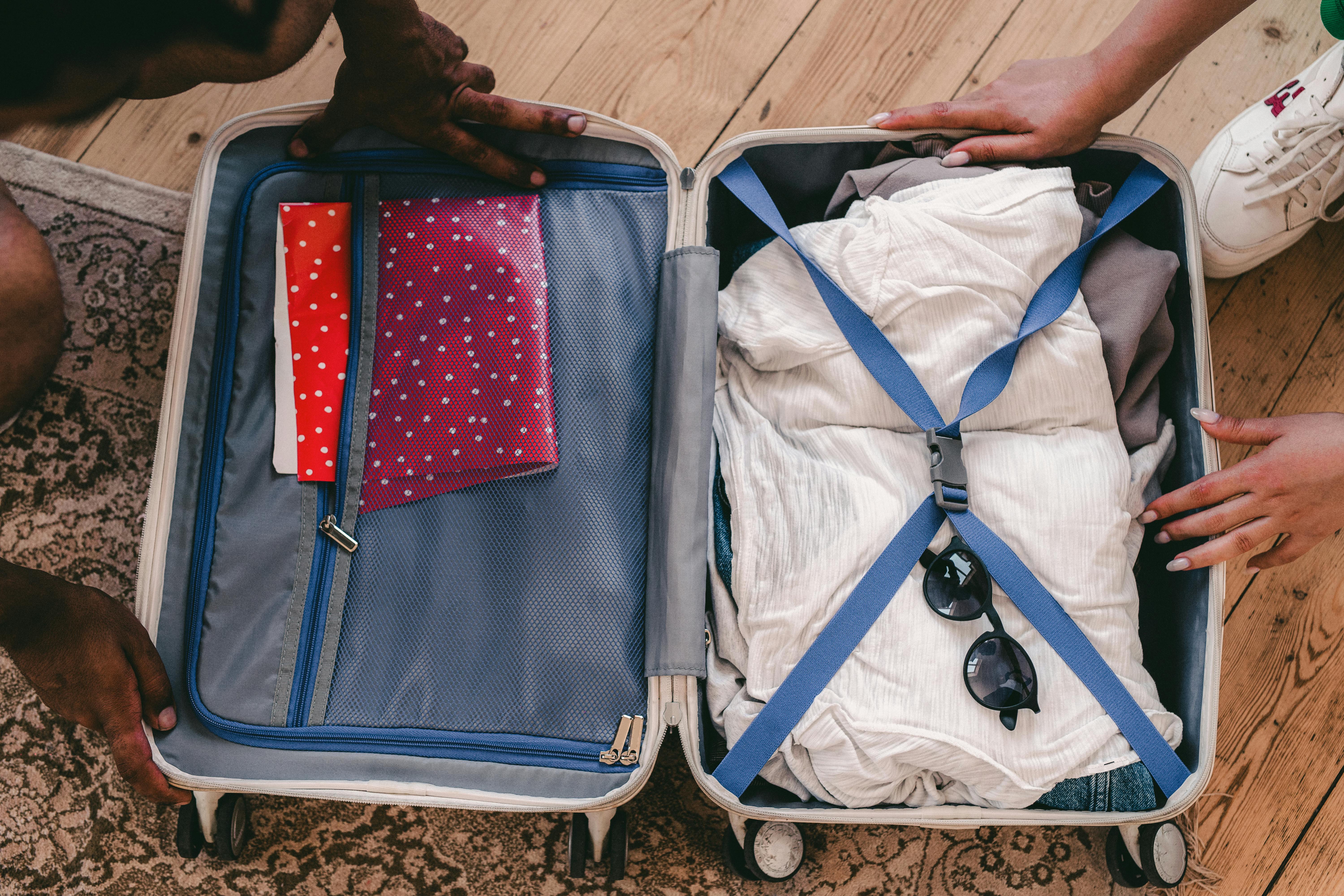
An open suitcase neatly packed with clothing and travel essentials.
On this page
The 12-item checklist
A medical trip needs a different kind of packing. You can usually buy toiletries or snacks after arrival, but replacing an important document, a prescribed medicine or a personal medical aid may be difficult.
Keep the essentials in your hand luggage or bedside bag.
-
Medical records: diagnosis, test results, imaging reports, allergies and a current medicine list.
-
Prescriptions: regular medicines in original packaging, with copies of prescriptions and any required travel permits.
-
Hospital documents: appointment confirmation, treatment plan, quotation and contact numbers.
-
Identification: passport, visa and copies stored separately from the originals.
-
Insurance details: policy documents, emergency number and written confirmation of relevant medical cover.
-
Phone and charger: include a power bank and a suitable plug adapter.
-
Glasses or hearing aids: bring their cases, spare batteries and cleaning supplies if needed.
-
Personal hygiene items: toothbrush, toothpaste, gentle wipes, lip balm and products you know your skin tolerates.
-
Comfortable clothing: loose front-opening tops or other garments that suit your procedure and movement restrictions.
-
Safe footwear: stable, easy-to-wear shoes or slippers recommended by your care team.
-
Water bottle and small personal items: use them only as permitted by your hospital and treatment instructions.
-
Notebook and pen: record medicine times, questions, appointments and instructions from the clinical team.
Pack for the journey home too
Ask your surgeon whether you need a specific garment, dressing supplies, mobility aid or other recovery item. Do not buy compression garments or medical equipment without checking the correct type and fit.
Keep discharge records and medicines accessible for the return journey. Check customs rules for prescription and controlled medicines before travelling.
Leave valuables and unnecessary luggage at home. You may need room for medical documents and supplies collected during treatment.