Mobile Clinics Linked to 71% Fewer Deaths in Trial Among People Who Inject Drugs

Published by
Kosmos Consult3 min read
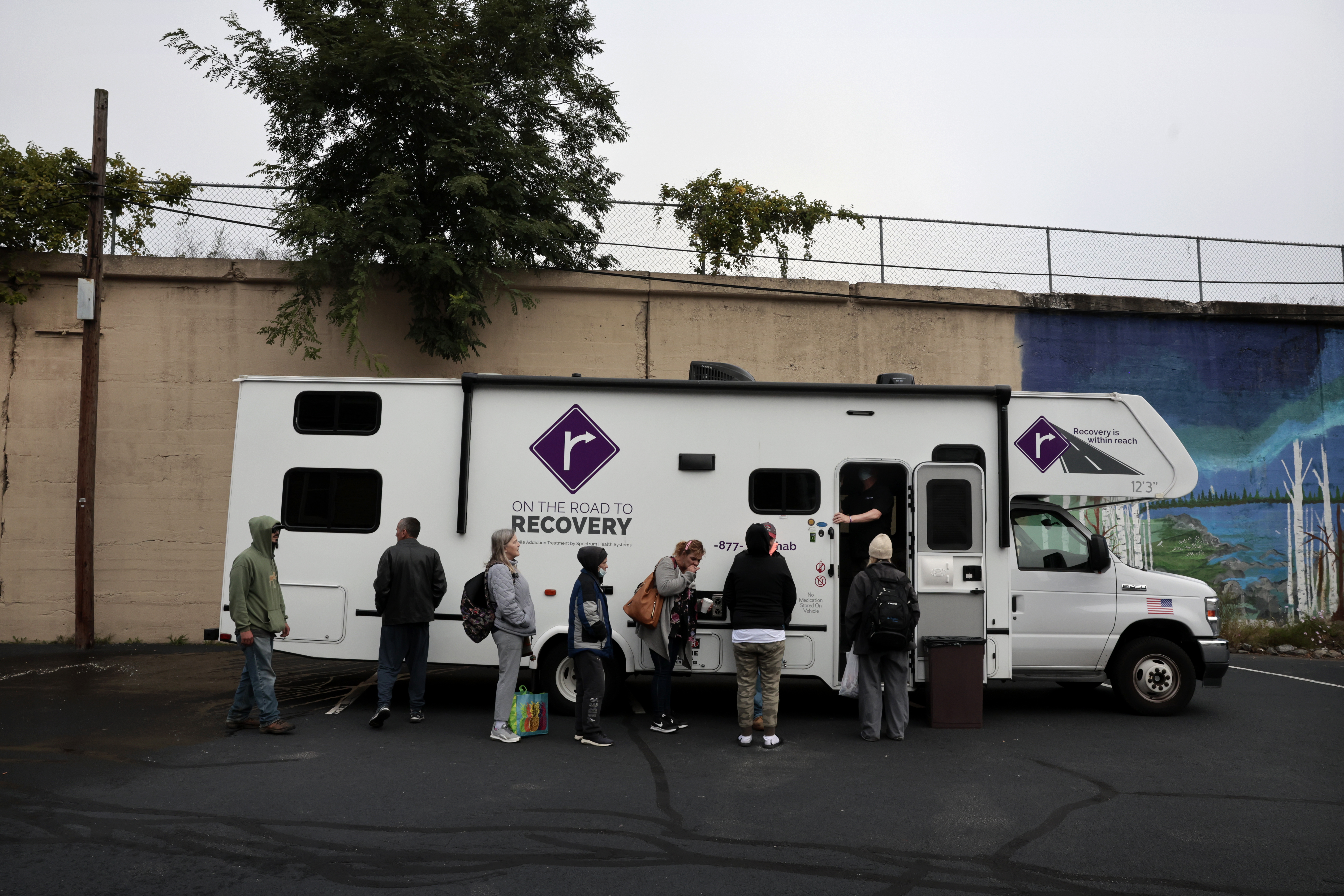
An NIH-funded clinical trial across five US cities found fewer deaths among participants who received HIV prevention and addiction services through mobile medical units. The researchers caution that the mortality finding needs confirmation in further studies.
Mobile medical outreach services
On this page
Taking healthcare closer to people who need it
For people facing unstable housing, stigma and fragmented healthcare services, getting treatment can be difficult even when effective medicines are available.
A clinical trial published in JAMA Psychiatry on November 4, 2026, examined whether mobile medical units could make HIV prevention and addiction treatment more accessible to people who inject drugs.
The study, known as HPTN 094, was conducted in Houston, Los Angeles, New York City, Philadelphia and Washington, DC.
How the trial was conducted
Researchers enrolled 409 adults who did not have HIV, injected drugs, had opioid use disorder and were not receiving medication for opioid use disorder when they entered the study.
Participants were randomly assigned to two groups. One received 26 weeks of peer navigation alongside HIV prevention medication, addiction treatment and limited clinical and supportive services delivered through mobile medical units.
The comparison group received peer navigation to connect them with existing community-based services.
The researchers followed participants for up to 52 weeks.
The difference in deaths
By the 52-week follow-up, researchers confirmed four deaths in the mobile-unit group and 13 in the comparison group.
This represented a 71% lower relative risk of death from any cause in the mobile-unit group. The reported hazard ratio was 0.29.
That result deserves attention, but it needs careful interpretation. The number of deaths was small, and mortality was a secondary outcome rather than one of the trial's primary outcomes. The researchers say the finding needs to be replicated.
What the trial did not establish
The mobile service model did not produce statistically significant improvements in the trial's two primary outcomes: confirmed use of HIV pre-exposure prophylaxis (PrEP) and medication for opioid use disorder (MOUD).
At 26 weeks, confirmed PrEP use was 5.4% in the mobile-unit group and 2.9% in the comparison group. Confirmed MOUD use was 14.8% and 10.7%, respectively. Neither difference was statistically significant.
The results show that bringing services closer to people may have benefits beyond simply increasing medication uptake. But the trial does not establish exactly why fewer deaths occurred, and it does not prove that mobile clinics will produce the same result in every setting.
Why integrated care matters
PrEP helps prevent HIV infection in people who do not have HIV but may be exposed to the virus. MOUD includes medicines such as buprenorphine and methadone, which are used to treat opioid use disorder.
Providing these services together can reduce the burden of navigating separate clinics, appointments and referral systems. Peer navigators can also help people connect with care and remain engaged.
The HPTN 094 findings offer a reason to continue testing mobile, low-barrier healthcare models. They also expose a continuing challenge: making effective treatment available is not enough if people cannot realistically access and sustain it.
Sources: Original randomized clinical trial in JAMA Psychiatry · NIH study announcement · HIV Prevention Trials Network study report