NIH Study Finds Two Forever Chemicals Associated With Higher Risk of Aggressive Breast Cancer

Published by
Kosmos Consult4 min read
A study published in the Journal of Clinical Oncology found that higher blood levels of two persistent industrial chemicals were associated with increased rates of estrogen receptor-negative breast cancer. Researchers say more work is needed to establish the relationship.
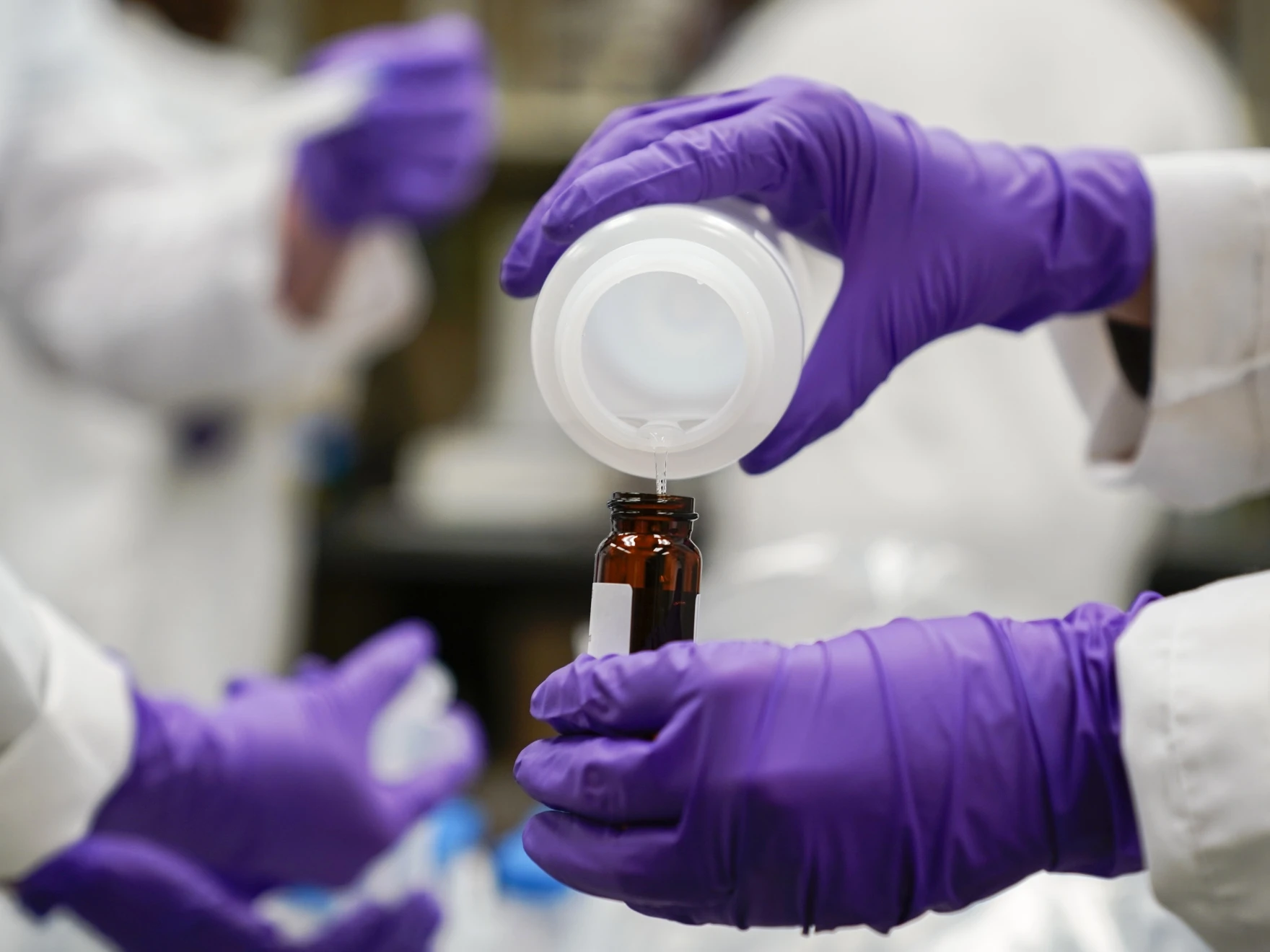
Image illustrating environmental exposure to PFAS chemicals
On this page
A closer look at chemicals that persist in the body
Per- and polyfluoroalkyl substances, commonly called PFAS, are a large family of synthetic chemicals used in products such as non-stick cookware, food packaging, stain-resistant fabrics and firefighting foam.
Some PFAS break down very slowly in the environment. Repeated exposure can also lead to accumulation in the human body, which is why they are often called forever chemicals.
A new study from researchers at the US National Institutes of Health has added to concerns about their possible effects on women's health.
What the researchers found
Published on November 5, 2026, in the Journal of Clinical Oncology, the study examined whether exposure to PFAS was associated with breast cancer incidence.
Researchers measured 17 PFAS compounds in blood samples collected years before cancer diagnoses. The analysis included 1,609 women who developed breast cancer and a comparison group of 2,269 women from the Sister Study.
The strongest associations involved two chemicals: perfluorooctanoic acid (PFOA) and perfluorooctanesulfonic acid (PFOS).
Women in the highest PFOA exposure group had a 67% higher rate of estrogen receptor-negative breast cancer than those in the lowest group. For PFOS, the rate was 93% higher.
These figures describe relative differences between the study groups. They do not mean that an individual woman has a 67% or 93% chance of developing breast cancer.
Why estrogen receptor-negative cancer matters
Breast cancers are classified partly by whether their cells carry receptors for hormones such as estrogen. Estrogen receptor-negative (ER-negative) tumours lack these receptors, meaning treatments that target estrogen signalling may not work against them.
These cancers can be more difficult to treat and tend to have fewer established risk factors than hormone receptor-positive breast cancers.
The researchers found no clear association between PFOA and PFOS exposure and breast cancer overall. The observed relationship was concentrated in the ER-negative subtype.
What the study does not prove
The findings deserve attention, but they should not be treated as proof that PFAS exposure directly causes breast cancer.
The research was observational. It identified an association rather than demonstrating a causal mechanism. The participants also came from the Sister Study, which enrolled women who had a sister with breast cancer. This means the results may not translate directly to every population.
The researchers suggested that biological pathways involving gene activity or immune function could help explain the findings. However, those mechanisms were not tested in this study.
The authors also noted that further research is needed, particularly among populations with higher PFAS exposure and for newer replacement chemicals.
Where exposure happens and what people can do
PFAS exposure can occur through contaminated food or drinking water, certain consumer products and polluted air. The National Institute of Environmental Health Sciences says exposure varies by location and occupation.
Reducing exposure can be difficult because these chemicals are widespread. Where contamination is suspected, local water-quality information and guidance from public health or environmental authorities are more useful than relying on general product labels.
The study does not justify routine breast cancer screening beyond established clinical guidance, nor does it establish a need for PFAS blood testing in everyone. People with specific exposure concerns should discuss them with a qualified healthcare professional.
The findings add another reason to investigate long-term chemical exposure and its possible effects on human health. They also underline how much remains to be understood about the relationship between environmental pollutants and breast cancer.
Sources: National Institutes of Health study summary · Original study in the Journal of Clinical Oncology · NIH overview of PFAS exposure and health · National Institute of Environmental Health Sciences