How to Handle Criticism From Friends and Family About Having Surgery Abroad

Published by
Kosmos Consult2 min read
People close to you may worry about safety, distance or follow-up when you choose treatment abroad. Respond with clear information, invite useful questions and keep the final medical decision grounded in evidence and your own needs.
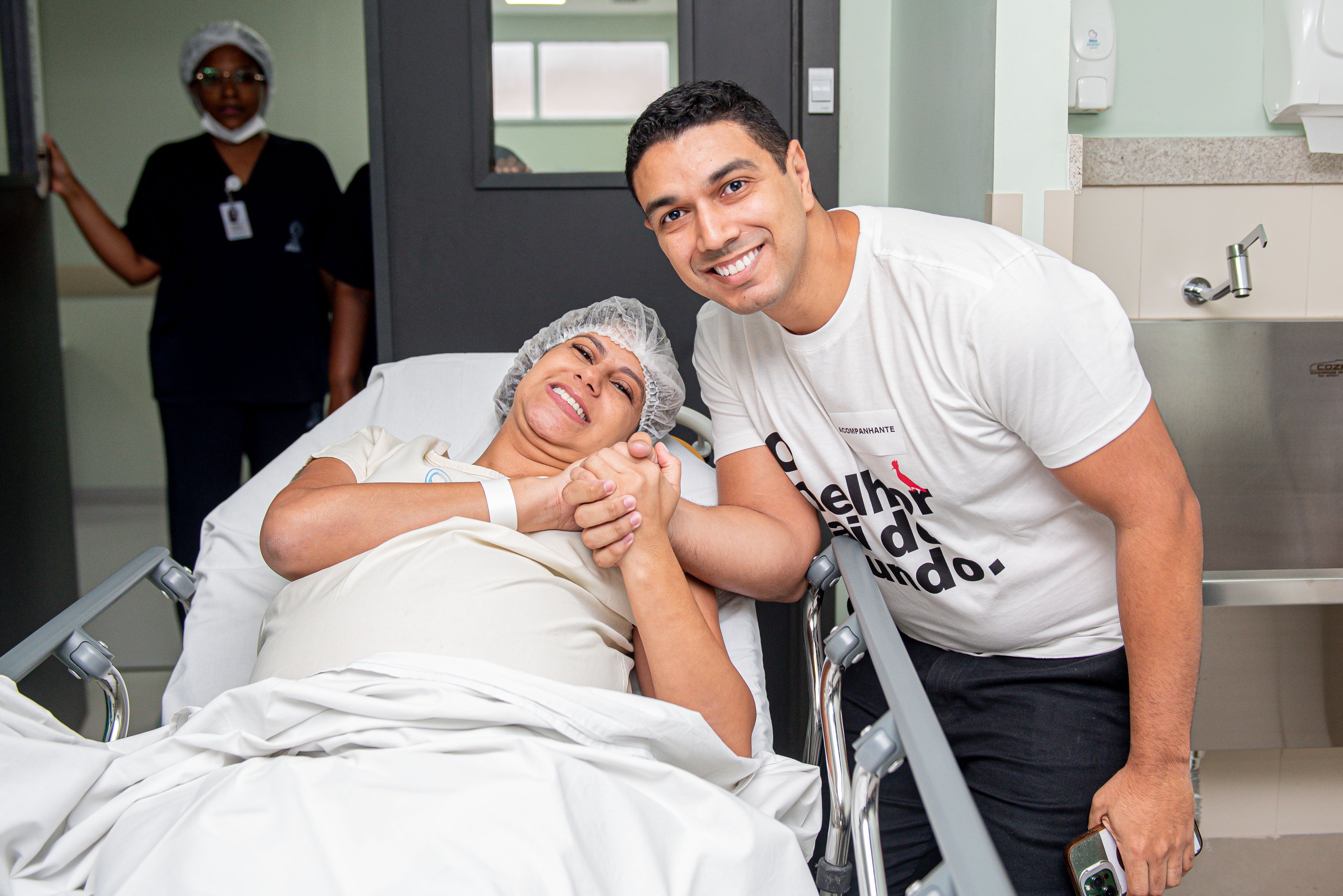
A patient in a hospital bed holding hands with a visiting family member.
On this page
1. Separate concern from pressure
When you tell people you are considering surgery abroad, their first response may not be encouragement. Some will worry about complications, unfamiliar hospitals, distance or what happens if you need help after returning home.
You do not have to win every argument. You do need a decision you can explain and defend with facts.
A relative asking about the surgeon, hospital or aftercare may be raising a fair question. Someone dismissing your decision without listening may be reacting to fear, assumptions or personal experience.
Try to understand what specifically worries them. Is it the destination, the procedure, the cost, the clinic or the distance from home?
Answer the actual concern rather than turning the conversation into a contest.
2. Show them the plan, not just the price
Share the hospital's name, the treating specialist's credentials, the proposed treatment, the written quotation and the follow-up arrangements.
Explain how you will handle complications, insurance, travel delays and communication with your home doctor. If you cannot answer these questions yet, treat that as work still to be done.
3. Set boundaries without shutting people out
You can listen to advice without giving everyone control over your medical decision. Choose one or two trusted people who can help you review information calmly.
If you want someone involved, invite them to a consultation or ask them to help compare the written plans. Avoid sharing private medical details more widely than you are comfortable with.
4. Keep the decision yours
Do not travel simply to prove someone wrong, and do not abandon a carefully assessed option solely because someone disapproves. Discuss the medical risks with qualified clinicians and consider an independent opinion.
The aim is not universal approval. It is an informed decision, a realistic budget and a safe plan for treatment and recovery.