
Clarendon Scholarships 2027: Fully Funded Master’s and DPhil Study at the University of Oxford

Published by
Kosmos Consult4 min read
Oxford's Clarendon Fund offers more than 200 new graduate scholarships each year, covering course fees and providing living-cost support to outstanding applicants from every country.
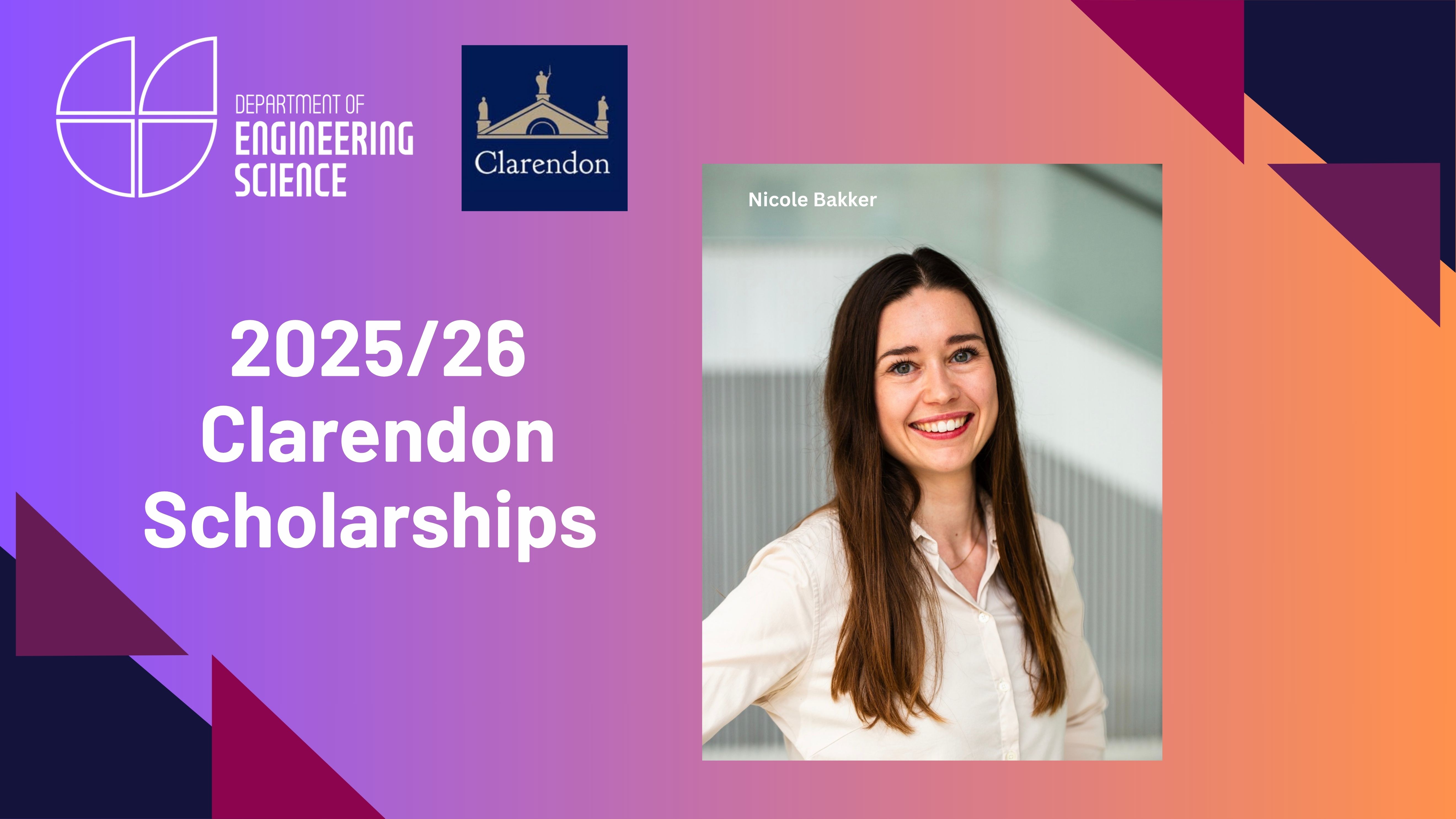
Oxford Engineering Science's announcement of its 2025/26 Clarendon Scholarship awardees.
On this page
The University of Oxford's Clarendon Fund offers one of the most generous graduate scholarship opportunities available to international students. Each year, it awards more than 200 new scholarships to outstanding applicants, covering full course fees and providing financial support for living expenses.
For the 2027/28 academic year, the scholarship remains open to applicants from every country and across a wide range of academic disciplines. You do not need to submit a separate scholarship application. Your admission application to an eligible Oxford graduate course is also your application for Clarendon consideration.
What the Scholarship Covers
Clarendon provides full coverage of course fees for the period of your scholarship. This applies to both Home and Overseas fee-status students.
Full-time scholars also receive an annual living-cost grant worth at least the applicable UKRI minimum doctoral stipend rate. The amount is intended to meet the living expenses of a single student in Oxford. The exact 2027/28 figure should be confirmed by the University when the new funding rate is published.
Part-time scholars receive a study support grant instead. Its value varies according to the course and may be a sixth, a third or half of the UKRI minimum doctoral stipend rate.
Awards normally cover the period for which the scholar is liable to pay course fees. Some academic divisions may extend funding beyond that period, but this is not automatic.
Who Can Apply?
Clarendon is unusually broad in its eligibility. There are no restrictions based on nationality, country of residence or academic subject.
You must be applying to begin a new eligible Master's or DPhil course at Oxford. Both full-time and part-time programmes are considered, provided the course is eligible and you submit your application by its relevant December or January deadline.
The scholarship is highly competitive. Oxford looks for exceptional academic achievement, strong intellectual ability, future potential and a convincing reason for pursuing the proposed course.
Most successful candidates have at least a first-class undergraduate degree or its equivalent. Oxford gives a GPA of 3.7 out of 4.0 as an example of a strong academic record, although expectations vary across disciplines. An outstanding Master's qualification may also strengthen an application where the first degree result is less exceptional.
Your references, research proposal where required, personal statement and evidence of academic achievement all contribute to the assessment.
How the Selection Process Works
There is no separate Clarendon scholarship form, and you do not need to upload additional scholarship documents specifically for this award.
Start by identifying an Oxford graduate course that matches your academic background and career plans. Read its entry requirements carefully, including the required supporting documents and application deadline.
Submit a complete graduate application by the course's December or January deadline. Oxford will automatically consider you for Clarendon if you meet the eligibility requirements.
Academic departments assess applications for admission and identify candidates they wish to nominate for funding. The University's academic divisions then review the nominations and select the strongest candidates.
Most initial Clarendon offers are sent by the end of April. Successful applicants receive their funding offer by email, while unsuccessful candidates are generally not contacted individually.
Application Deadline and What to Prepare
There is no single deadline for every Clarendon applicant. Your deadline is the December or January funding deadline published on the page of your chosen Oxford course.
A course may have an earlier deadline, so do not assume that every programme closes in January. Oxford also warns that applications submitted after the relevant December or January deadline are generally not eligible for its main graduate scholarship consideration.
Prepare your academic transcripts, degree certificates, references, personal statement and any course-specific documents well ahead of time. Research applicants should also give particular attention to their research proposal and the academic fit of their proposed work.
Oxford recommends submitting at least two weeks before the deadline. That gives you time to resolve missing references, document problems or other issues before the application closes.
Clarendon is not a guaranteed award simply because you receive an admission offer. The scholarship is highly competitive, and selection rests on academic merit and future potential.


